
For Tinghan Wang, the system has always been personal

Martell Beall for The Kenneth Lockett Foundation
By Daniel Varitek
June 3, 2026
Tinghan Wang is wary of easy certainty.
Born in Atlanta, Wang left for China as a young child before her family eventually moved to Massachusetts – a path that has given her, above almost anything else, a talent for sitting with complexity.
It is a quality that has made her, at 19 years old, uniquely attentive to what a system looks like from the outside – and what it actually does to the people inside it.
Back in the U.S., her family settled in the Boston suburbs, where Wang entered second grade as an ESL learner in a Title I school. Her classroom, in part due to underfunding, was shared with special education students.
Her family eventually relocated again – this time to Boxborough, a small town of 5,500 – for what Wang calls “the classic immigrant reason”: a better school.
The new district was wealthier, whiter, and organized almost entirely around college admissions. “I immediately saw the difference,” Wang says.
In high school, she joined walkouts protesting abortion bans and anti-LGBTQ legislation. But even then, she found herself asking uncomfortable questions at the edges of those gatherings.
Did her well-to-do classmates know what, exactly, they were protesting? Did they understand the circumstances that led people in other states to different conclusions?
“I think we all have the same values,” she says. “We just place them in different orders on the hierarchy.”
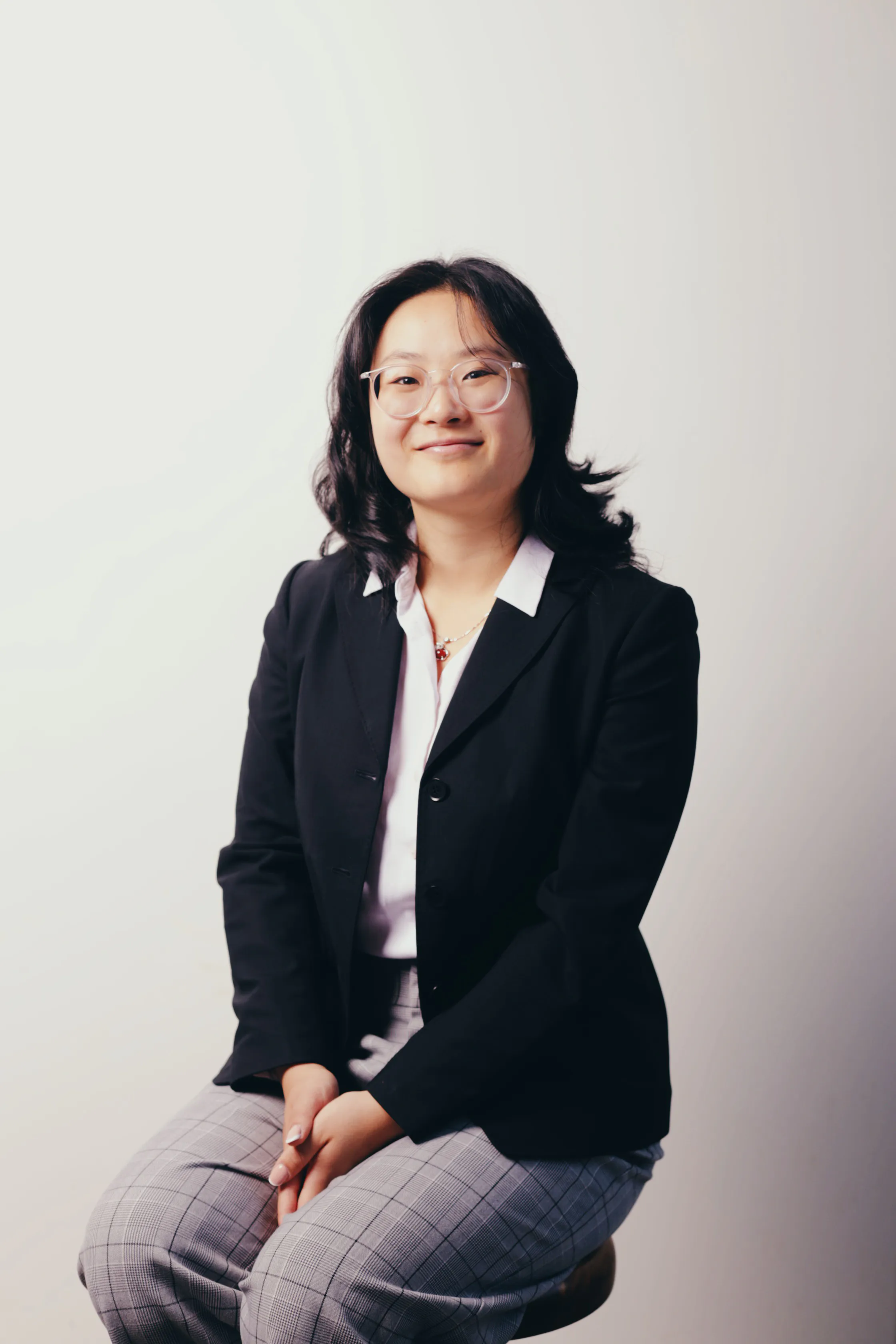
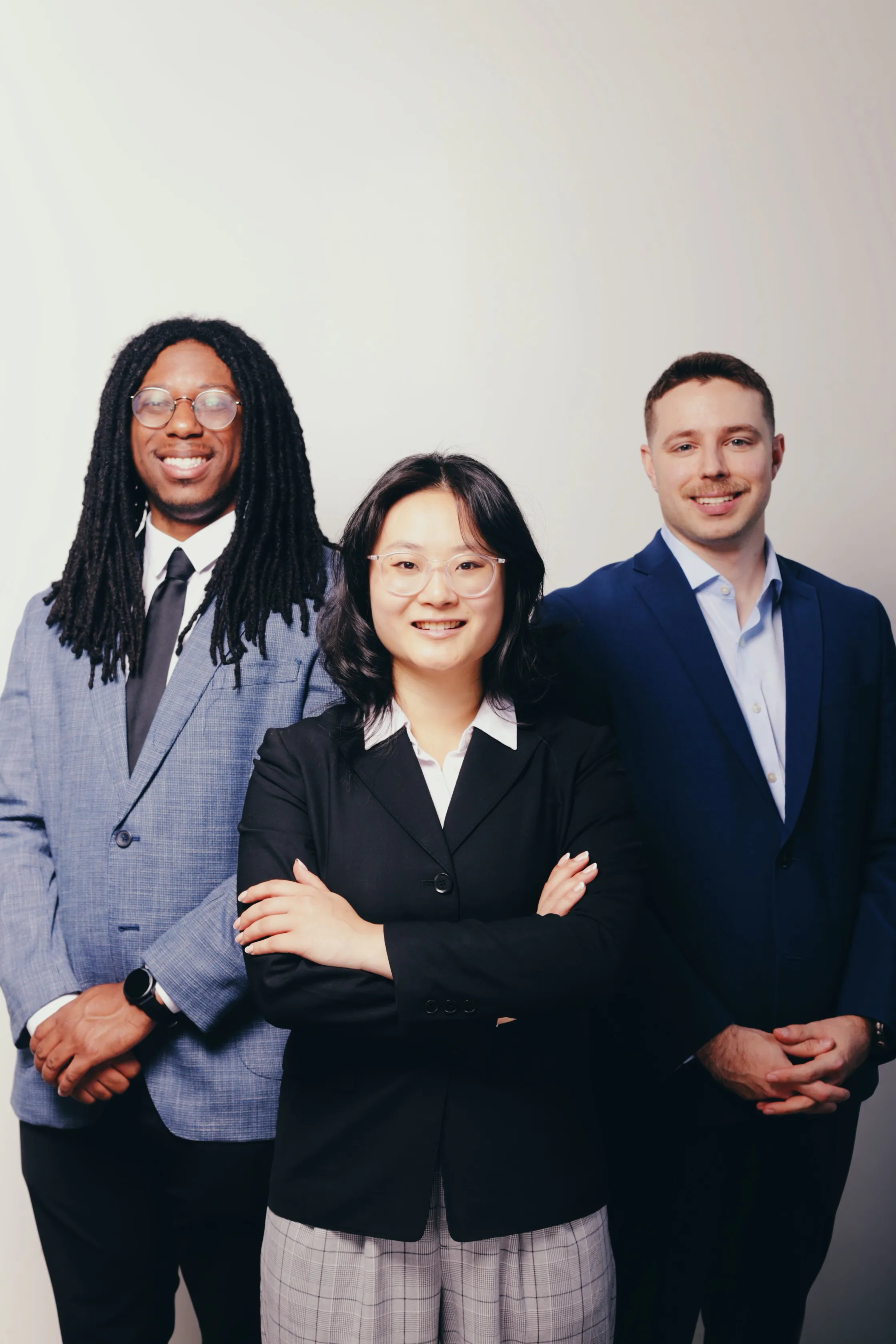
Tinghan Wang with Kenneth Lockett Foundation co-founders William K. Holley, IV and Daniel Varitek.
It is a framework she would carry with her back to Georgia.
At Oxford College, Emory University’s two-year residential campus, Wang began interning with the Newton County Juvenile Court and, simultaneously, with child protective services.
She saw the same families entering a fraught system from two angles: the court’s hard thresholds for intervention, and the caseworkers’ fuller picture of their economic circumstances.
She was not supposed to let one inform the other. She found it nearly impossible not to.
“A lot of what I was seeing wasn’t a symptom of child neglect,” she says. “It was a symptom of poverty.”
She spent two years there – doing intake in Spanish for families the court knew by name, building a directory of community resources for residents, and eventually helping to design and secure funding for a juvenile diversionary program that is now a permanent fixture of the court.
The experience convinced her that the most consequential work happens not in any single case, but in the policy that determines how a case is decided before anyone walks through the door.
Wang, now a rising junior at Emory, has been named the inaugural recipient of The Kenneth Lockett Foundation’s Truth and Justice Fellowship, which will place her with the Southern Center for Human Rights in Atlanta this summer.
She will work within the Center’s Impact Litigation Unit alongside dozens of law students and practicing attorneys – a rare opportunity for an undergraduate student.
It’s a fitting one. Among 65 competitive applicants, Wang’s years navigating the intersection of poverty, race, and the courts pointed her directly toward the Center’s work.
She is clear-eyed about how much she still has to learn, and about what is at stake in the process.
Growing up, her family survived on TANF benefits and Medicaid during years when there was no income coming into the house.
She learned early how to file taxes to claim the EITC, how to navigate school services, how to work the invisible levers of a system that most people in positions of power never have reason to touch.
She calls herself “first in the country” – a first-generation American for whom policy has always been about survival.
“The resources you have access to are defined by policy,” she says. “The policies you have access to are written into law.”
That is why she wants to be a public-interest lawyer.
But the calling she returns to, the one she trusts most, is less about capital-L Law than about the people laws are intended to serve.
She wants to understand not just what people need, but why the systems built to meet those needs so often fail. And whether anything can be done about it at the level where it would actually matter.
Wang is 19 years old. She doesn’t yet know exactly where the work will take her. For now, she’s taking it personally.
The Kenneth Lockett Foundation is a nonprofit organization based in Atlanta, Georgia. Its mission is to honor the life and legacy of Kenneth Henry Lockett III by preparing the next generation of Georgia’s civic leaders. Through fellowships, projects, and partnerships, the Foundation invests in the future of law, journalism, and public service — ensuring that truth, justice, and servant leadership remain at the heart of Georgia’s progress.